

Sleep Apnea Treatment – Naperville, IL
Enjoy a Good Night’s Sleep Again
You might think that snoring is just a harmless yet annoying habit, but it can indicate that you’re not breathing correctly at night. In some people, it could be the first sign of a serious disorder called sleep apnea. On the bright side, our doctors at Grand Dental – Naperville are trained to recognize sleep apnea symptoms and can provide custom oral appliances for sleep apnea treatment in our Naperville, IL dental office to help you enjoy a good night’s sleep again.
Why Choose Grand Dental - Naperville for Sleep Apnea Treatment?
- Comfortable, Custom-Made Oral Appliances
- Reduce Your Risk of Dangerous Health Conditions
- Wake Up Feeling Refreshed and Rested
Why Sleep Apnea Is So Dangerous
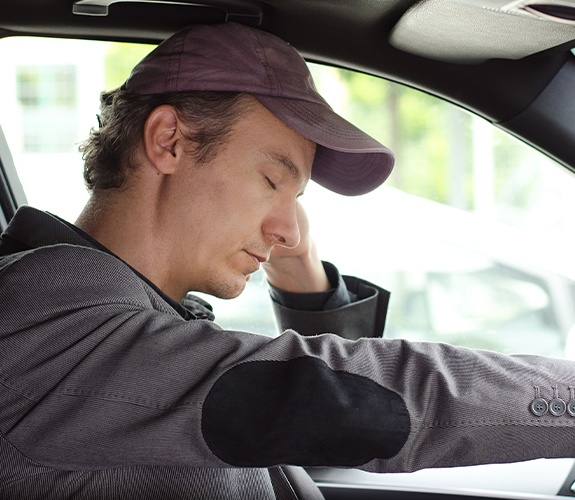
First and foremost, sleep apnea disrupts your sleep. When your airway gets blocked, your body wakes you up with a gasp – even though you may not be aware of these episodes. This pattern of snoring, cessation of breathing, waking, and gasping can happen dozens, perhaps hundreds, of times a night, depriving you of oxygen and restful sleep.
One of the most common sleep apnea symptoms, chronic fatigue, can be dangerous to other people as well as yourself. For example, a constantly tired person is in danger of falling asleep at the wheel and causing a car accident.
Besides chronic fatigue, sleep apnea has been linked to several serious health conditions, including:
- Cardiovascular disease
- High blood pressure
- Type 2 diabetes
- Worsening ADHD
- Depression, irritability, and mood swings
Symptoms of Sleep Apnea
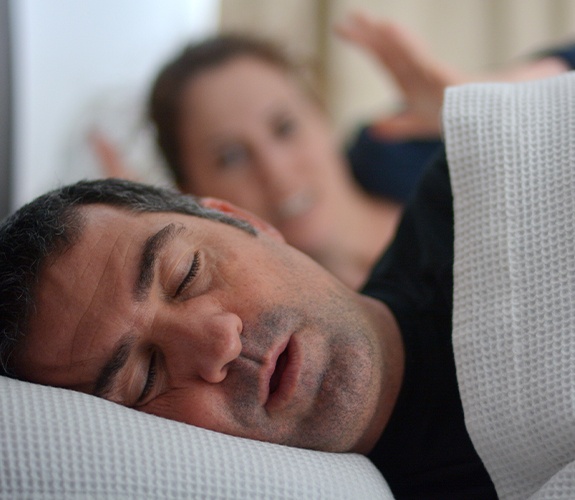
While loud snoring is a common symptom, look out for the following:
- Excessive daytime drowsiness
- Waking up with a dry mouth/sore throat
- Insomnia
- Nighttime restlessness
- Short-term memory problems
- Difficulty concentrating
If you or your partner is experiencing any of these symptoms, contact us right away.
How We Can Help
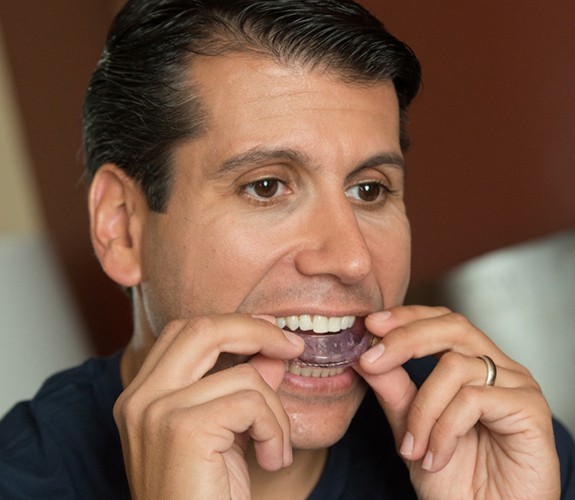
If necessary, we can work with your primary care doctor to obtain a sleep study. Oftentimes, our first course of action will be to prescribe a CPAP machine that delivers a steady stream of air into your mouth and nose to keep your airway open. However, many patients have trouble with these bulky, noisy devices. As an alternative, we can make a custom oral appliance that fits in your mouth like a nightguards to gently reposition your mouth in such a way that opens the airway and let you get a restful night of shut-eye.
Sleep Apnea FAQs
Can I diagnose sleep apnea on my own?
No, you cannot technically diagnose your own sleep apnea. While you may be able to identify some of the symptoms associated with the disorder, only a skilled sleep doctor can deliver a formal diagnosis. This is why it’s important to recognize various signs so that you can schedule an appointment sooner rather than later. After evaluating your symptoms and discussing your sleep concerns, you may be referred for a sleep study to determine whether you have sleep apnea.
Will sleep apnea go away if I lose weight?
Since obesity is one of the risk factors for sleep apnea, you might assume that if you lose weight, your symptoms will go away. This is not entirely true, but it doesn’t hurt to start an exercise regimen and adopt a healthier diet. Trying to lose excess fat around your neck can reduce pressure on your throat. Doing so will help keep your airway open; however, your weight may not be the only reason for your sleep apnea. Seeking professional treatment is the only way you can determine the underlying cause of your apnea episodes.
Are there at-home remedies for sleep apnea?
It is always best to talk to a sleep dentist about specific treatment for your sleep apnea (i.e., oral appliance), but there are things you can do at home to improve your symptoms, including:
- Being physically active
- Creating a positive sleep environment, complete with non-heavy bedding, cool temperatures, loose clothing, blackout curtains, dim lighting, and avoiding screens before bed
- Avoiding alcohol or caffeine before bedtime
- Using essential oils that help you relax in preparation for sleep
How should I clean my oral appliance?
If you receive a custom oral appliance for your sleep apnea, you’ll need to keep it clean to avoid bacterial accumulation that can transfer to your teeth. To do this, you will need to rinse out your appliance in the morning and gently brush it with a soft-bristle toothbrush. You can keep it in a protective case when you’re not using it, or soak it in denture cleaner for a more effective clean. Just remember to use lukewarm water, as hot water can warp the plastic.