

Dentures – Naperville, IL
Filling in the Gaps For Complete Smiles

Dentures in Naperville are known to be one of the most popular methods of tooth replacement available. At Grand Dental – Naperville, our team of experts is here to deliver natural-looking prosthetics that fit comfortably and provide optimal functionality. When patients arrive with two or more missing teeth, full or partial dentures can help them regain their confidence while admiring their new aesthetics. Individuals who want to say goodbye to the gaps are welcome to call our office to schedule an appointment.
Why Choose Grand Dental - Naperville for Dentures?
- Periodontist on Staff
- State-of-the-Art Technology Used
- Prosthetics Made From Durable Materials
Who’s a Good Candidate for Dentures?

Incomplete arches make it difficult for patients to eat, speak, and smile with ease. This is why those who are missing multiple teeth or entire rows are welcome to undergo a thorough consultation to determine if they are candidates for dentures. Whether it is full or partial prosthetics, these artificial teeth can help to bring back what was lost, allowing for improved functionality when eating or speaking with others.
Patients with only a few missing teeth may find it helpful to choose partial dentures, whereas those without any remaining teeth can turn to full dentures for an improved appearance.
Effects of Missing Teeth

The physical repercussions of missing teeth can include difficulty eating and slurred speech; however, an incomplete smile can do more than affect the visual components of day-to-day life. It can also cause a decline in emotional and mental stability, as many people suffer from low self-esteem and a lack of desire to care for themselves.
Poor oral hygiene, depression, and missing opportunities are all potential effects that can worsen over time if proper treatment is not provided.
What Qualifies You for Dentures?
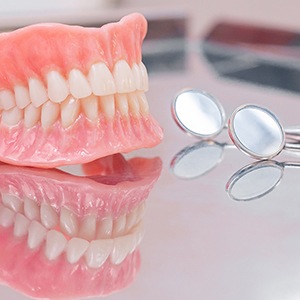
At Grand Dental – Naperville, we are pleased to have an in-house periodontist who is skilled in delivering highly effective solutions that look natural and feel great. We do require a scheduled consultation with each patient to ensure they are in good overall health for dentures. While these custom prosthetics do not require any surgical procedures, it is a timely process that requires enough jawbone stability to support a full or partial denture.
We will determine if a person has a stable oral environment for dentures or whether they need preliminary treatments first (i.e., gum disease treatment, bone grafting).
Alternative Tooth-Replacement Options
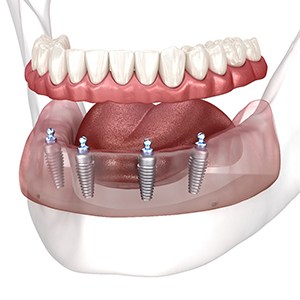
It may be that our team does not recommend a full or partial denture. Depending on the severity of tooth loss and a patient’s preference, we may suggest a dental bridge or dental implants.
- Dental Bridges – When most natural teeth remain, a dental bridge can be a great way to restore a small section of missing teeth. Normally replacing between one and four consecutive teeth, a dental bridge uses customized crowns that are attached to healthy adjacent teeth. Serving as anchors, they help to hold the remaining pontics in place to close the gap.
- Dental Implants – Longer-lasting tooth replacement can be achieved with the help of dental implants. Instead of altering healthy abutment teeth that act as anchors, our team will use only the vacant sockets when placing each implant post. Depending on the number of teeth missing, we will place two for an implant bridge or up to six for an implant denture. No matter the type of implants, it is possible for them to last 30+ years.
How Dentures Are Made

The process your dentures go through to be fabricated is extensive. At Grand Dental – Naperville, we want you to understand what it takes to create these custom sets of teeth so that you know how to properly care for them and why it’s important to be careful with your new smile so that it will last longer. Below, we have outlined some basic information about the denture creation process. If you have any questions, please don’t hesitate to reach out to our office.
What Are Dentures Made Of?
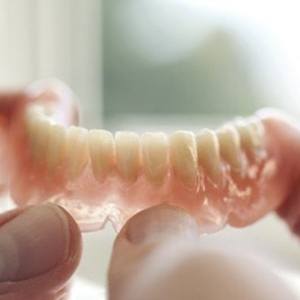
To start, there are two parts of a denture – the base and its artificial teeth. Depending on how many teeth you are missing, you may either need a full or partial denture. Either way, both consist of the same gum-colored base and natural-looking teeth.
- The Base – The most common material used to craft the base of a denture is acrylic. It is made to resemble your gums in shape and color, so you don’t need to worry about it standing out.
- Artificial Teeth – Acrylic is also the most common material used to create artificial teeth, although some professionals turn to porcelain. Mimicking the natural look of enamel is the goal, though, so that you can feel confident in your new smile.
The Denture Creation Process

No two dentures are exactly the same, as what a patient needs will look very different as opposed to someone else. To start, your dentist will take impressions of your mouth and send them to a dental lab for creation.
Once the model is placed into an articulator that looks similar to the jawbone, artificial teeth are put into their appropriate places. A wax version is then returned to the dental office so that you can undergo a fitting. If everything looks right, it will be sent back to the lab, where the dentures are placed into a flask, and plaster is poured in to create the shape of the dentures. After melting the wax off the plaster mold, small holes are created so that acrylic can be injected into the flask.
After removing the plaster, the dentures are placed into an ultrasonic bath so that any excess plaster is removed. A lab technician will then cut away any additional acrylic before giving them a final polish.
Adjusting to Your New Dentures

Discomfort is not an uncommon feeling when receiving your dentures for the first time. Your mouth needs time to adjust properly, so we advise that you wear your dentures around the clock for the first few days. Do not be surprised if a minor lisp also forms, as your tongue, teeth, and cheeks need time to get used to speaking and eating correctly. By practicing your words and phrases at home and eating softer foods more slowly, you will begin to see a dramatic difference in your ability to use your new smile more effectively.
What Are the Different Types of Dentures?
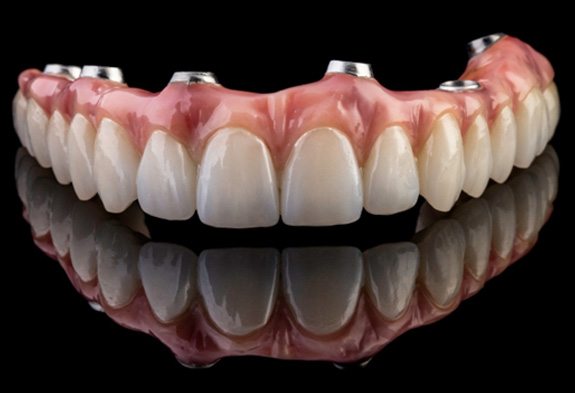
While full and partial dentures are just two of the traditional tooth replacement solutions, there is also the option for patients to choose implant dentures
Partial Dentures
Made to mimic the natural gum color, partial dentures are made out of acrylic and possess metal clasps to help hold them in place. Artificial teeth are placed on top of the gum-colored base, filling in the gaps of a patient’s missing teeth. The metal clasps attach to healthy teeth so that individuals can eat without worry and speak with greater clarity.
Full Dentures
Made in the same way as partial dentures, complete prosthetics do not require metal clasps but instead, rely on a patient’s natural suction and the use of denture adhesive to hold them in place. Artificial teeth are positioned on top of the acrylic base, mimicking the natural-looking appearance of a person’s smile. When placed, a person can begin to experience an improved functioning day in and day out.
Implant Dentures
The most expensive and popular option is implant dentures. Instead of using natural healthy teeth or a person’s natural suction to remain in place, these prosthetics attach to titanium posts that are surgically placed within the jawbone. After several months of allowing the bone and post to fuse, a strong foundation forms and adequately supports the customized prosthetic that is secured on top.
Benefits of Dentures

The benefits of dentures are many. Patients who choose this type of tooth replacement can expect to experience and enjoy life in a new and exciting way. Whether it is a boost in confidence, the ability to speak clearly, greater professional opportunities, or even the chance to eat a wider variety of foods, these custom prosthetics can produce life-changing results.
Psychological Benefits

A person’s psychological health can be severely impacted when tooth loss occurs. However, once dentures are used to fill in the gaps, the positive shift that occurs can lead to a happier lifestyle and viewpoint. Depression and embarrassment no longer dictate an individual’s emotions and feelings; instead, excitement, joy, and an eagerness to embrace new experiences can be the new normal.
Clear Enunciation

With dentures, speaking in front of a group of people or even on the phone with your friends can be easier. Instead of worrying about slurring your words or being unable to produce certain sounds because of your tooth loss, your new teeth will work with your tongue and lips so that you speak clearly. Formal presentations at work, conversations with family and friends, and meeting someone new no longer have to be scary experiences.
Improves Nutrition

Malnutrition is a serious concern for individuals who are without multiple teeth. This inability to bite and chew food can lead to unhealthy choices because they are simpler to eat. Once dentures are put in place, the ease of eating opens the door to a wider array of food options. Not only can you consume more nutritious meals, but you can do so with greater confidence, especially when you’re at a restaurant with family and friends.
Preserves Oral Health

Tooth loss is known to cause bone resorption and increase the risk of gum disease. Osteoporosis, heart disease, and diabetes can also occur if left untreated. By filling the spaces with custom dentures, though, you not only rebuild your facial structure (to prevent sagging) but also keep any natural teeth in their current place, which means no dental drift. Additionally, dentures can help you take better care of your oral health, especially since you know what it’s like to be without a full set of teeth.
Expands Opportunity

Dentures are no longer just for older adults who are retired and in their “golden years.” These prosthetics are designed for anyone who needs help to rebuild their smile at any age. As a result, greater opportunities can become available, such as a promotion at work that you feel more confident pursuing or a job offer in another state. They can also help you make a good first impression when preparing to meet someone new.
Understanding the Cost of Dentures

Determining the cost of dentures in Naperville requires a scheduled visit to our dental practice. At Grand Dental – Naperville, our team of experts will sit down to discuss the type of denture you will receive as well as any preliminary care that you might need to ensure the stability of your smile. Based on our findings and additional components of care, we’ll create a cost estimate that you can review and use to prepare for the financial requirement associated with treatment.
Factors That Affect the Cost of Dentures
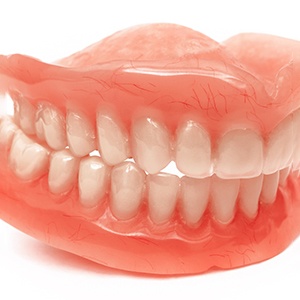
A scheduled consultation will be necessary to provide a complete and thorough estimate for your care. When developing a breakdown of expected expenses, you can expect that we will consider how many teeth you are missing, the type of denture you will receive (i.e., partial, full, or implant), the type of materials used to create your new smile, and if you need bone grafting, periodontal therapy, or another form of preliminary treatment before receiving dentures.
Many practices build their dentures using cheaper materials. Although this may be easier on your wallet in the beginning, it will likely cost you in the long run simply because of the amount of money you’ll spend to replace your teeth every few years.
Are Implant Dentures More Expensive?
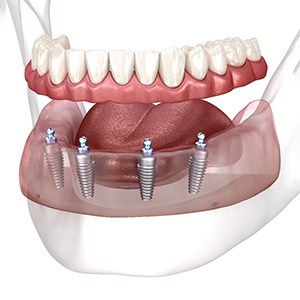
Implant dentures are a worthwhile investment if you prefer a more permanent solution. Popular among many individuals who have suffered tooth loss, these permanent prosthetics make it possible to live life with teeth that do not slip or fall out when eating or speaking. Instead, they offer optimal stability and durability that adequately supports customized restorations, one of which is a full denture. While they are more expensive up front, they are proven to be more cost-effective in the long run, as you will not need to purchase denture adhesive or receive regular replacements or relines.
Does Dental Insurance Cover Dentures?

You will find that when reviewing your dental insurance policy, most offer partial coverage of at least 50%. This is because dentures are viewed as a medical necessity, as you need them to ensure better oral and overall health. When it comes to using your insurance to pay for treatment, our team will fill out the necessary paperwork and claims forms to minimize any stress you might feel when it comes to the financial side of dental care.
Other Options for Making Dentures Affordable

Even if you do not have private dental insurance to help pay for your dentures, we can provide two different options for payment: CareCredit* or our in-house membership plan. Whether you choose to finance and pay off your treatment over time or enroll in our Grand Advantage Plan that offers discounts on available services, we can make sure you save the most money on your new smile.
*Subject to credit approval. Visit CareCredit.com for more information.
Dentures Aftercare

Once your dentures are firmly in place, you can begin to fully embrace their many benefits, but if you want them to last as long as possible, you will need to make sure you are caring for your dentures correctly. As removable prosthetics, they require regular maintenance – a factor our Grand Dental – Naperville team will consider when preparing you for life with your new smile. While we will give you detailed aftercare instructions, you can learn more about what is required by reading below.
Removable Dentures
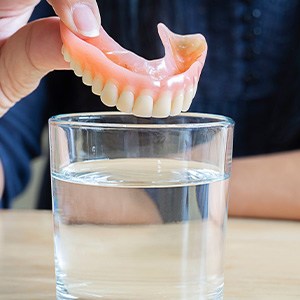
The type of removable dentures you receive – partial or full – will determine how you properly care for them. Certain steps are not required for partials but are essential for full dentures.
Remove After Eating
Food and bacteria can easily become trapped underneath your dentures after eating, so to avoid a build-up of harmful particles over time, make sure to remove them after every meal. A thorough rinsing of your prosthetics and mouth will flush away anything that might try to cause harm to your artificial teeth and/or smile.
Clean Your Restoration
Throughout the day, various debris and bacteria accumulate on your dentures, which is why it’s important that you clean your artificial teeth (and mouth) at least twice a day. When you wake up and before you go to bed are two times you should use a soft-bristle toothbrush or a denture-specific brush to clear your dentures of any saliva, food particles, or adhesive. You’ll also need to clean your gums and any remaining natural teeth at this time.
Keep Your Dentures Safe
Slippery hands, children, and pets can put your dentures at risk. To keep your teeth safe, make sure you place a towel in the sink when cleaning your dentures so that if they slip out of your hands, they do not hit the porcelain and crack. Also, keep your prosthetics out of reach of children and any four-legged friends in your house. They may be enticed to hide or chew on them, resulting in a costly replacement.
Remove Dentures When You Sleep
When preparing for bed, place your dentures in a glass of water or denture cleaner. This gives them a more extensive clean while also allowing your gums and bone to rest. The continuous support provided by these facial structures can take a toll, so by removing your dentures at nighttime, you give these areas a chance to recoup. Also, it slows down any potential bone resorption that can occur.
Notice Changes
Since jawbone deterioration is highly likely while wearing dentures, you’ll need to make an appointment with our team at the first sign of discomfort. When your teeth no longer fit properly or feel comfortable inside your mouth, it may be that your facial shape has changed slightly, resulting in the need for a reline.
All-On-4 Dentures
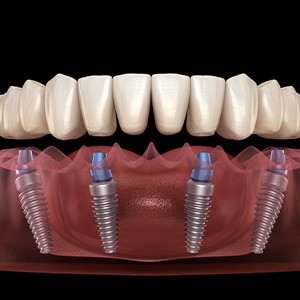
Taking care of All-On-4 dentures is slightly different than what is required for traditional ones. As fixed prosthetics that cannot be removed, you will clean them the same way you do any regular teeth. A soft-bristle toothbrush, dental floss, and regular mouthwash will keep these teeth clean and free of harmful bacteria.
Dentures FAQs
Does it hurt to get dentures?
Many patients require tooth extraction before receiving dentures. If this is your situation, you can expect to feel some discomfort in the days following your procedure. Fortunately, an over-the-counter pain reliever can be enough to alleviate any soreness. Once you are cleared to receive dentures, you may notice mild irritation initially, as your mouth will need to adjust to your new prosthetics. This phase of discomfort is temporary and varies among patients.
Can I sleep with my dentures?
While you may prefer to sleep with your dentures, it’s better if you let them soak overnight. Taking them out at bedtime gives your gums and bone a chance to rest from supporting your artificial teeth all day. It also restores circulation to this part of your mouth, so bone resorption will slow down, and soft tissue irritation will remain minimal.
Allowing your dentures to soak while you sleep also gives them a more thorough cleaning, which can be helpful, as bacteria and dried saliva may not always be easy to remove with regular brushing.
What should you not eat with dentures?
Dentures allow you to eat a more varied diet, more so than when you were without teeth, but there are still certain foods you will need to avoid if you don’t want to damage your artificial teeth. For example, sticky foods like gummy candy, caramel, and peanut butter can dislodge your dentures. Hard foods like corn on the cob, nuts, apples, and raw carrots can damage your prosthetics. Tough meats can also be difficult to eat, as they require you to chew a lot, which can place excessive pressure on your dentures.
Is it hard to talk with dentures?
Talking with dentures in Naperville can be challenging at first; however, after some time, you will begin to sound like your normal self. The reason you may develop a slight lisp or find it difficult to speak is that your mouth will need to adjust to the new prosthetics. Normally, your tongue will press against your natural teeth to form sounds and words. Dentures feel slightly different, so words may not come out as clearly initially.
With regular practice, though, you will notice your lisp start to fade. You can read aloud, talk slowly, and practice pronouncing harder words or sounds until you are more comfortable.
More to Explore
I Need a Checkup & Cleaning I Need a Dentist for My Child I Have a Cavity or Broken Tooth I am Missing One or More Teeth I Am in Pain & Need Help I Want to Enhance My Smile I Want a Straighter Smile I am Concerned About Gum Disease I Have Dental Anxiety I Want to Learn About Sleep Apnea View Our Services